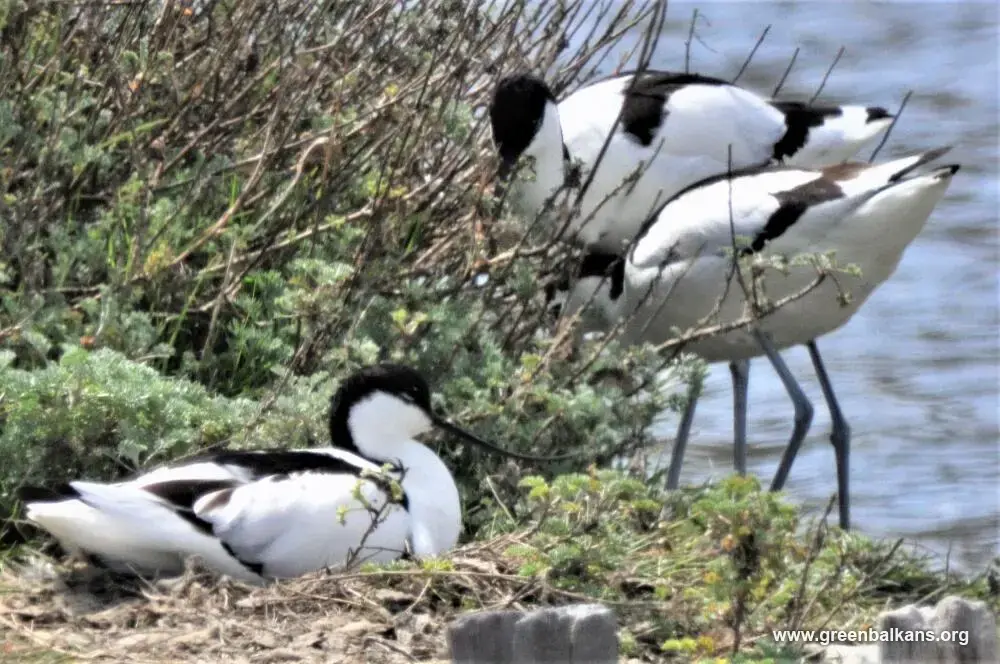
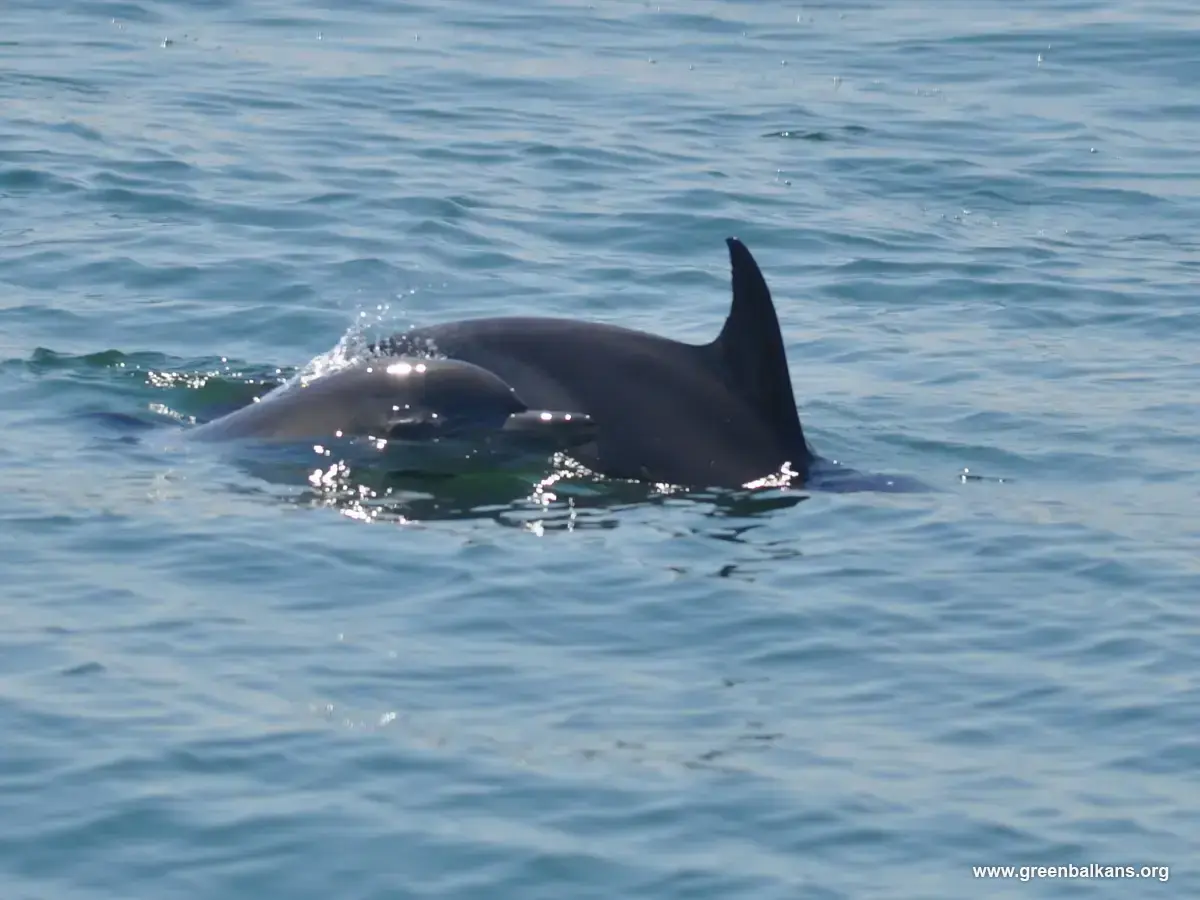
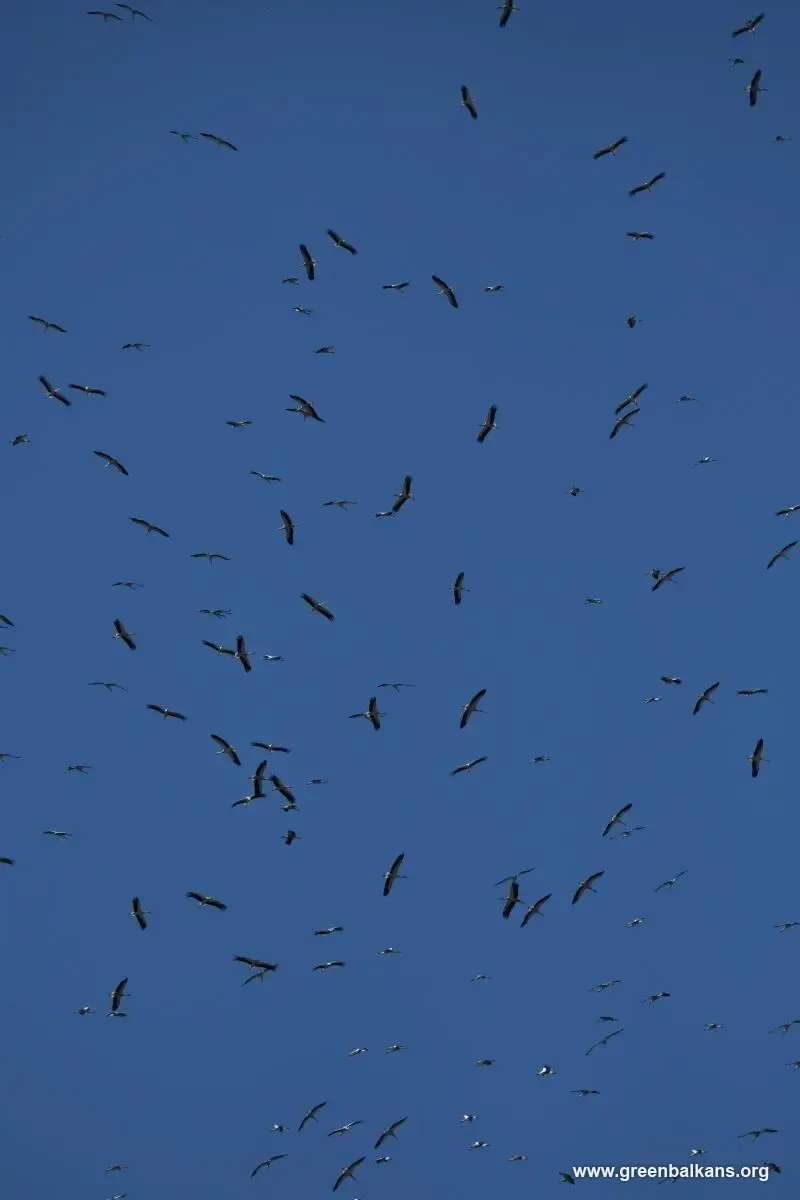
On this date, we celebrate the European Natura 2000 Day — dedicated to the world’s largest coordinated network of protected areas. The date was chosen because on May 21, 1992, the European Commission adopted the Habitats Directive and the LIFE Programme — two of the most important milestones for nature conservation in Europe.
But what exactly is Natura 2000?
It is a network of protected areas created to safeguard Europe’s most valuable and vulnerable species and habitats. Its purpose is not to prohibit human activities, but to ensure that they are carried out in harmony with nature. Because wildlife depends on a delicate balance in which every plant, insect, bird, and animal plays an important role — even those we often overlook.
Across Europe, the network includes more than 26,000 protected sites.
In Bulgaria, Natura 2000 includes 340 protected areas, covering nearly 35% of the country’s land and marine territory — one of the richest natural heritages in Europe.
The “Life for the Lesser Kestrel” project (LIFE19 NAT/BG/001017) of Green Balkans, implemented with the support of the EU LIFE Programme, has been actively working for more than 10 years in two Natura 2000 protected areas — Sakar and Sredna Gora. Thanks to long-term dedication and conservation efforts, the saker falcon has once again been restored as a breeding species in Bulgaria — a true example that nature conservation works.
And you can become part of it too!
Throughout the week around Natura 2000 Day, BioBlitz events are organized across Europe — exciting outdoor adventures where people of all ages explore nature and try to identify and record as many wild species as possible.
How can you join?
- Find a Natura 2000 site near you
- Visit it
- Observe plants, birds, insects, and wildlife
- Record your observations using observation.org
BioBlitz is not only an adventure, but also a way for everyone to contribute to science and biodiversity conservation. In 2025 alone, more than 70 BioBlitz events were organized in 18 countries across Europe, resulting in over 85,000 observations and more than 4,500 recorded species! Let’s show that Bulgaria’s nature also has a story worth sharing with the world.
On Natura 2000 Day, let us remember that nature is not just a place we visit — it is a home we all share. Go outside, breathe in the freedom of forests, rivers, seas, and grasslands, discover the beauty around us, and care for it through small actions every day. Because protected nature is the most valuable gift we can leave to future generations.